
The Wallingford Town Council voted 7–2 on November 10, 2026, to formally urge the Board of Education to restore 17 classrooms that had been cut from the town’s consolidated high school building proposal.
Council members debated how trimming classroom space affects both educational capacity and long-term state reimbursement. Only Councilors Thomas Laffin and Christina Tatta voted against the motion.
How the Two Cost Estimates Compare
Under figures reviewed during the council’s fall discussions, removing the 17 classrooms reduced the projected gross cost from roughly $411.65 million to $400.79 million. However, council supporters of restoring the classrooms argued that shaving roughly $10.86 million up front leaves the combined school without room for enrollment fluctuations and limits flexibility for specialized programming.
State school-construction reimbursement has also been central to the math. Depending on how the final project is classified—new construction versus renovation-as-new or consolidated facility—Wallingford’s state reimbursement rate has been modeled between 42.5 percent and 52.5 percent, shifting tens of millions of dollars between local property taxpayers and Hartford.
What Happens Next
Because the Board of Education controls educational specifications while the Town Council controls capital bonding and referendum placement, the November 10 vote sends a clear signal back to the school board ahead of any final referendum wording.
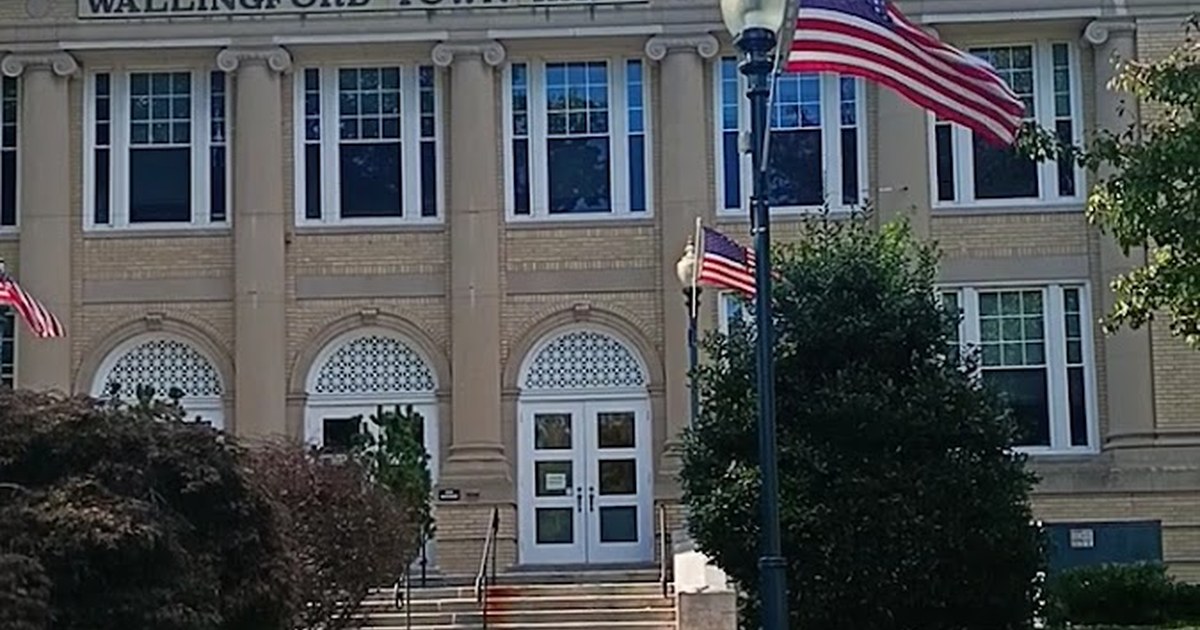
Residents can review upcoming Town Council and Board of Education agendas at Wallingford Town Hall, 45 South Main Street, or through the town’s online meeting portal before the next round of public hearings.
Want Wallingford news in your inbox? The Wallingford Post newsletter is coming soon. Email news@wallingfordpost.com with “Newsletter” in the subject line to get on the list.
Got a tip? Email news@wallingfordpost.com